Firefly Luciferase

For noninvasive in vivo optical imaging

Firefly luciferase (Fluc, Luc2), initially isolated from the firefly Photinus pyralis, is an enzyme that catalyzes the oxygenation of d-luciferin to oxyluciferin, producing visible light (530-640 nm). Several generations of Fluc have been engineered, each improving brightness. Unless otherwise specified, Imanis Fluc products have the Luc2 version of the protein (footnote), a highly optimized variant with exceptional brightness.

The bioluminescence produced by Fluc facilitates noninvasive optical imaging following the administration of d-luciferin.
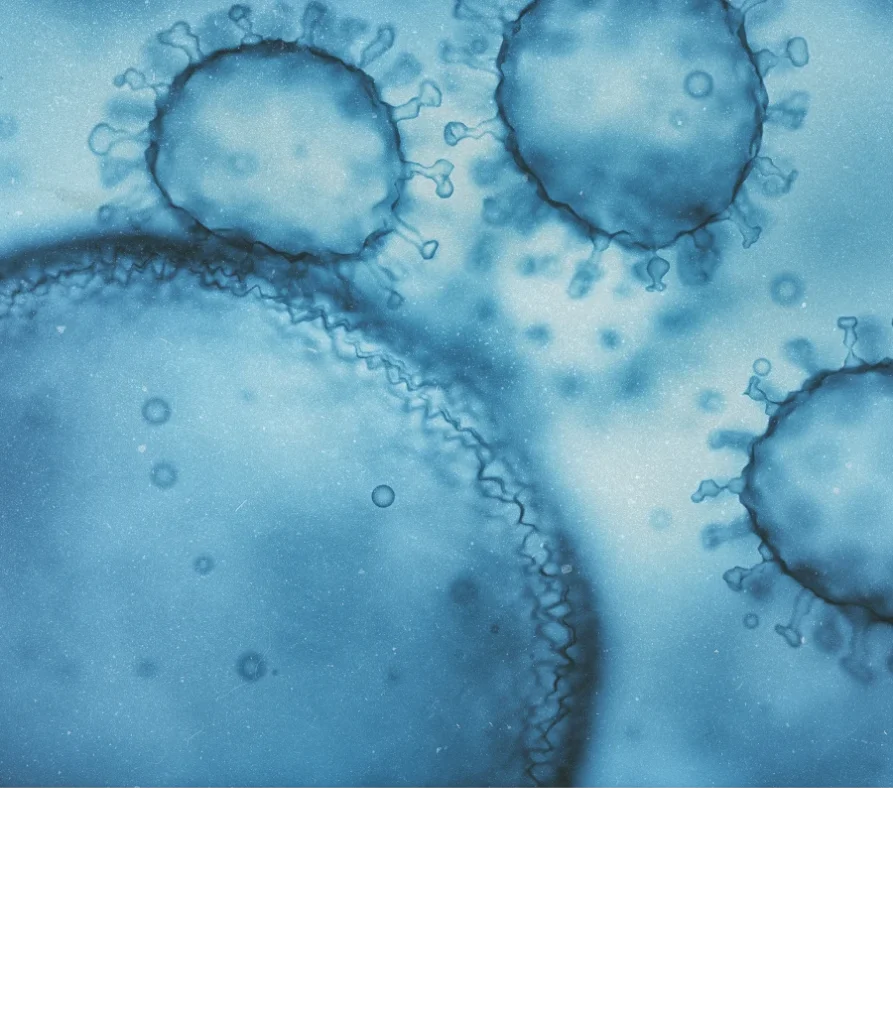
Lentiviral vector particles illustrated as spherical structures with surface proteins for gene delivery applications
Lentiviral vectors illustration showing viral particle structure and gene delivery mechanism for cell therapy applications

How to use Luciferase for imaging

Reagents: d-luciferin

Equipment: An optical imager equipped with cooled CCD cameras can be used to detect the light produced by the oxidation of d-luciferin. The acquired bioluminescent image can be overlayed with a photograph taken by the optical imager to show the relative location of the bioluminescent signal.

Additional considerations: Bioluminescence peaks about 10-12 min after the administration of d-luciferin and slowly drops.

Workflow:

When to use luciferase

Bioluminescent imaging with Fluc can be used to noninvasively track the biodistribution of cells or viruses in pre-clinical regenerative medicine, gene therapy, oncology, and oncolytic virotherapy studies. Background bioluminescence of tissues is very low, so Fluc imaging has a very good signal to background ratio and excellent sensitivity in mice and other small animals, where the signal is relatively close (1-2 cm) to the surface of the animal. Thus, Fluc imaging is ideal for studies requiring the detection of a low number of cells or viruses. D-luciferin readily crosses the blood brain barrier, so Fluc can be used for imaging in the brain and CNS.

Cell & Virus Products Built for Breakthroughs

Don’t see what you need in our catalog? Our scientific team engineers cell lines, viral vectors, and assays and provides as much characterization data as you need to move forward with confidence.