Tumor Cell Lines

Imanis tumor cell lines are engineered for current oncology research. With reporter genes for tracking, thorough characterization, and tumor antigen modifications, these tumor cell lines provide the foundation needed to accelerate in vitro and in vivo pre-clinical therapy development.

Ready-to-Use Cell Lines for Your Oncology Research

Our xenograft and syngeneic tumor cell lines span hematological and solid cancers, with all lines expressing luciferase and/or eGFP for tumor tracking. Many are modified for key tumor-associated antigens — including BCMA, CD19, and CD20 — and all are in vivo-ready, with In Vivo Validated Models confirming growth in appropriate mouse models.
Human Xenograft Models

Mouse Syngeneic Models

Why Imanis Cell Lines?

Relevant Models to Accelerate Pre-Clinical Development

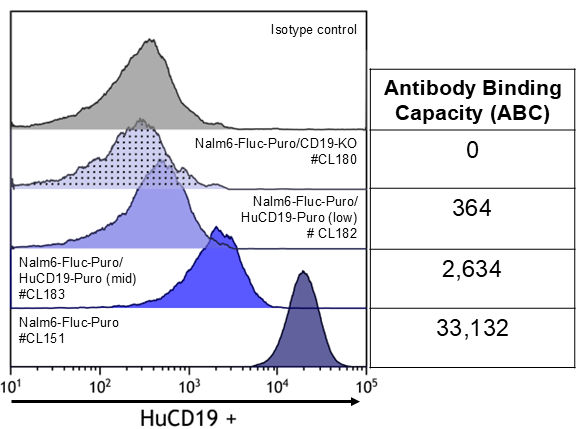
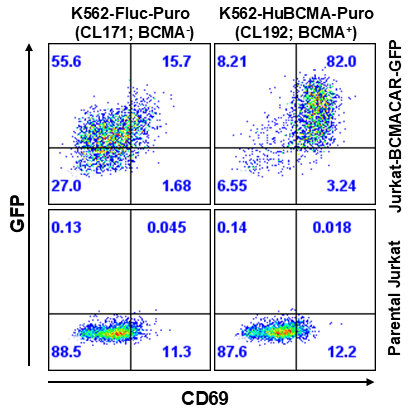
Save time and get meaningful results faster with ready-to-use cell lines. All Imanis cell lines constitutively express reporters for easy cell tracking in vitro and in vivo. Moreover, Imanis offers unique tumor model cell lines for targeted immunotherapy studies, including cell panels with varied levels of surface tumor antigens, such as CD19, CD20, and BCMA.

Thorough Characterization with Expert Technical Support

Be confident that you have the right cell line for your application. We thoroughly characterize our cell lines, not only for transgene expression but also for other key markers and many of our cell lines are tested in vivo for tumor growth or in relevant application-specific in vitro assays. Plus, we have an experienced scientific team available to provide technical support from choosing the right cell line for your study to optimizing the viability of your cultures.

Frequently Asked Questions About Our Lentiviral Vectors

Get answers to common questions about lentiviral vectors

Yes, our cells are designed for in vitro or in vivo mouse studies. For the most consistent in vivo growth, we recommend implanting cells at a similar passage number (or time in culture post-thaw) for each experiment. To this end, amplify the cells that you receive and cryopreserve multiple vials of a low-passage stock. Prior to implantation, thaw a vial of cells and passage the cells at least until the cells have recovered viability and until they have amplified enough based on the size of the study. Generally, we recommend passaging/amplifying the cells for one to two weeks post-thaw before implantation, though some slow-growing cell lines (e.g., multiple myeloma cell lines) will take longer to recover viability and amplify. Prepare cells for implantation in DPBS without calcium and magnesium, using a volume and cell density appropriate based on the method of implantation.

It depends on the cell line. Our xenograft cell lines will only grow in immunocompromised mice. Many of our syngeneic cell lines grow in immunocompetent strain-matched mice, but growth can be highly variable between individuals, naturally regress, or tumors may lose transgene expression as a result of transgene immunogenicity. Some syngeneic cell lines are more consistent than others in immunocompetent mice. See individual cell line product pages for any available data on the ability of a particular cell line to grow in immunocompetent mice.

Our tumor model cell lines are generated by transduction with lentiviral vectors, meaning that the transgenes are stably integrated into the cell genome. Transgene expression is driven primarily by the spleen focus-forming virus (SFFV) promoter, which drives high constitutive expression in vitro and in mice. As a result, transgene expression in our cell lines is very stable, and most cells can be passaged for months without any loss in transgene expression when using antibiotics as recommended. A few cell lines have a shorter life span for transgene expression, which is identified on their individual product pages.

We do not specifically test all our cell lines for mouse pathogens, but they are generated from parental cell lines that are free of mouse pathogens.

Most of our adherent cell lines are polyclonal, unless indicated. Our suspension cell lines are presumed monoclonal since they have all gone through at least one round of clonal selection, though we do not validate clonality.

Most of our cell lines are in stock and ready to ship Mondays to Wednesdays upon receipt of an order. Occasionally, we run low on a particular cell line and need to generate a new lot prior to fulfilling orders. Back-ordered products are generally available in three to five weeks, depending on the growth rate of the particular cell line.

Yes, we are happy to connect you with a scientist to provide technical support. Each cell line is different, and while we do our best to provide you with the culture information you need on the product sheet, we understand that sometimes you need to troubleshoot directly with a scientist.

Absolutely! Contact us to discuss more.

Cell & Virus Products Built for Breakthroughs

Don’t see what you need in our catalog? Our scientific team engineers custom cell lines and viral vectors, providing as much characterization data as you need to move forward with confidence.