B16F10 (Melanoma)

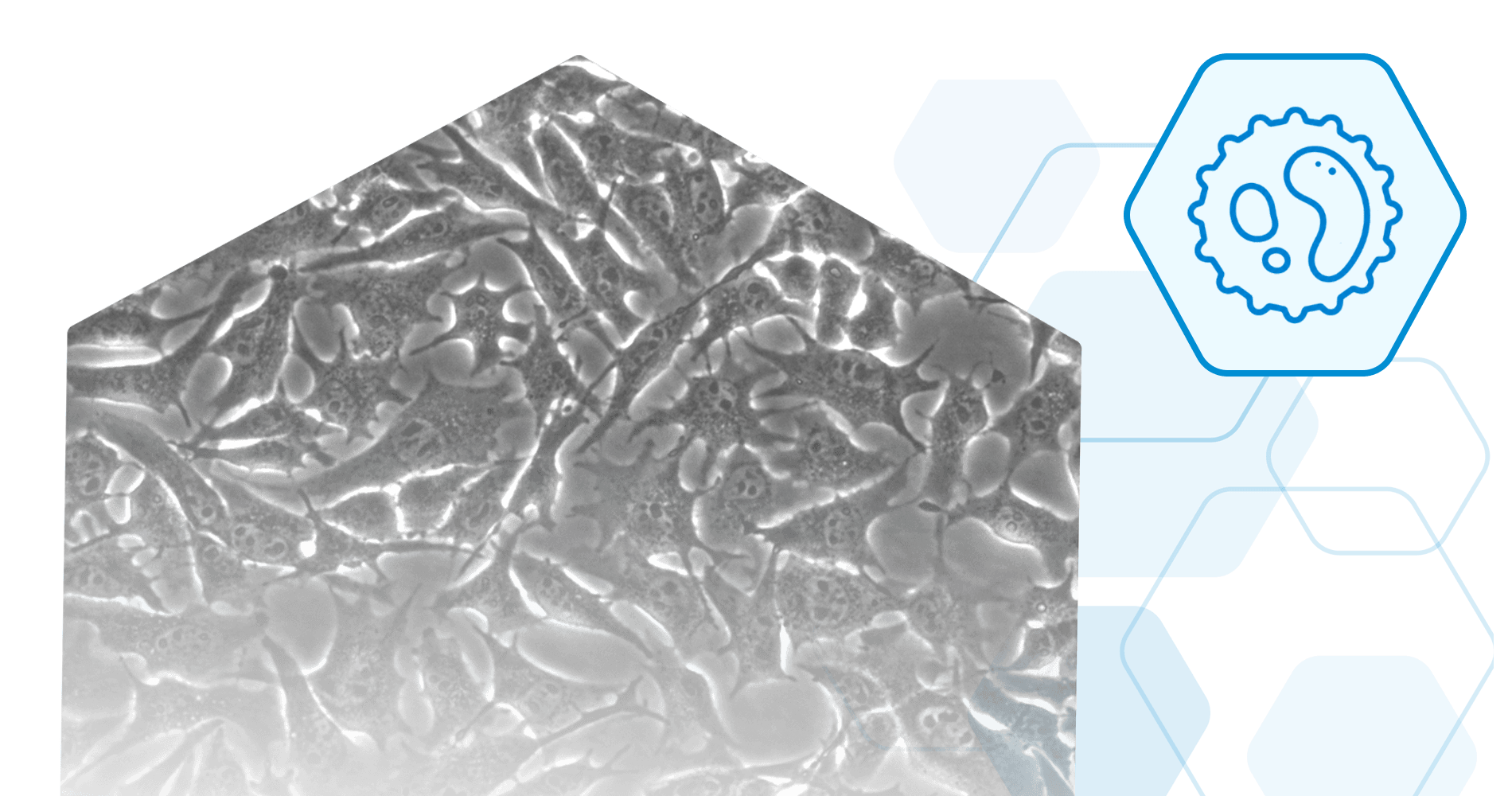
B16F10 (ATCC® CCL-6475™) is a murine melanoma cell line from a C57BL/6J mouse. It is a subclone of the B16 tumor line, generated by injecting mice with B16 tumor cells, collecting and culturing secondary tumor growths, and injecting them into fresh mice, a total of 10 times. The cells are adherent with an epithelial morphology. B16F10 cells are highly metastatic and will form tumors and metastases post implantation into syngenic C57BL/6 mice or immunocompromised mice.

*The ATCC trademark and trade name and any and all ATCC catalog numbers are trademarks of the American Type Culture Collection.

Usage Information

B16F10 cells are suitable for in vitro and in vivo experimentation. Both syngenic C57BL/6 mice and immunocompromised mice can be used for in life studies, and will form tumors following implantation of the cells.

The following chart provides some examples of B16F10 cells used for tumor formation and studies.

Route of ImplantationMiceTumor/MetastasesReferences
SubcutaneousC57BL/6Subcutaneous tumorZhang et al. (2015) BMC Cancer 15: 234Takeda et al. (2015) Blood 118: 464-472
Tail veinC57BL/6Lung metastasesZhang et al. (2015) BMC Cancer 15: 234Takeda et al. (2015) Blood 118: 464-472Fidler (1975) Cancer Res 35: 218-224Burghoff et al. (2014) BMC Cancer 14: 898
SubcutaneousC57BL/6Subcutaneous tumor, lung metastasesFidler (1975) Cancer Res 35: 218-224
Note: The above information is based on available data from the indicated references. It is not meant to be comprehensive and Imanis has not directly tested each condition.

Stable Reporter Cell Lines

Our B16F10 reporter cell lines can be tracked in vivo, making them great tools for studying the mechanisms of tumor growth and metastasis, as well as evaluating the effects of various drugs or therapies in animals. Our B16F10 cells are available with a variety of different reporters, including the murine sodium iodide symporter (mNIS), firefly luciferase (Fluc), enhanced green fluorescent protein (eGFP), or near-infrared fluorescent protein (iRFP). Several dual reporter B16F10 cell lines are available to facilitate multi-modality imaging.

In order to ensure high, constitutive expression of the reporter proteins, our cell lines are generated by lentiviral vector transduction. The lentiviral vectors used for these transductions are self-inactivating (SIN) vectors in which the viral enhancer and promoter has been deleted. This increases the biosafety of the lentiviral vectors by preventing mobilization of replication competent viruses (Miyoshi et al., J Virol. 1998).

Cell & Virus Products Built for Breakthroughs

Don’t see what you need in our catalog? Our scientific team engineers cell lines, viral vectors, and assays and provides as much characterization data as you need to move forward with confidence.